
How we produce
Manufacturing Process
TG Export Trade supplies rice and refined cooking oils prepared through disciplined milling and refining pathways — not sugar manufacturing or unrelated commodity lines. Below is how our dual catalogue grades are typically prepared for export.

Processing details vary by grade, partner facility, and buyer specification. Sales confirms what applies to a given rice or refined oil shipment — including packing format and supporting documents.
Rice
From paddy to export-ready grain
Jasmine, white, parboiled, glutinous, basmati, cargo, and specialty grades follow a milling pathway tailored to moisture, broken percentage, and appearance targets.
Cultivation and harvest
Rice is grown in suitable regions of Thailand and harvested when grain moisture and maturity support milling quality for export programmes.
Reception and drying
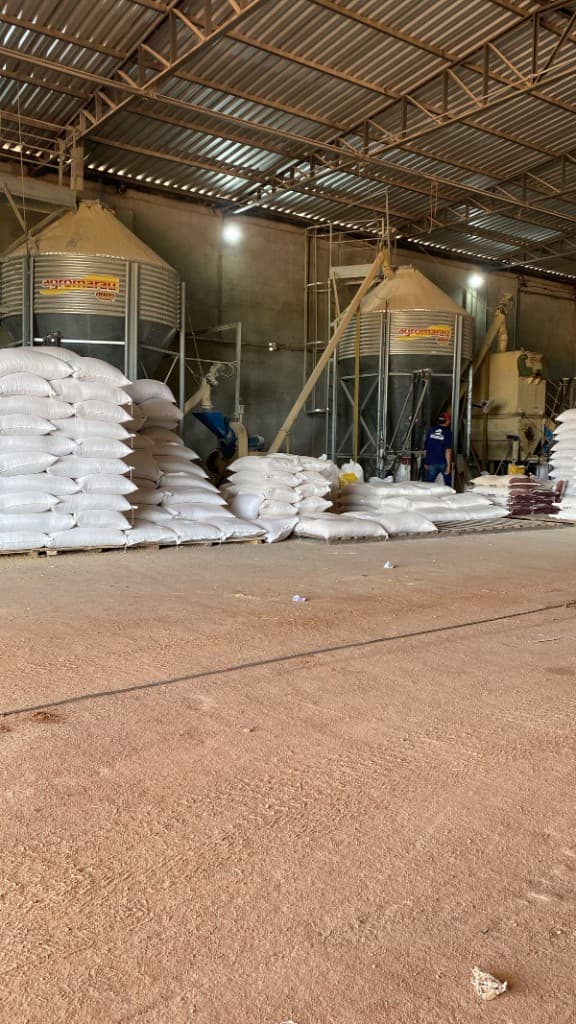
Paddy is received, assessed, and dried to safe moisture levels so milling can proceed without quality loss.
Cleaning and husking
Foreign matter is removed and husks are separated to produce brown rice ready for further milling or cargo grades.
Milling and polishing
Bran layers are removed and grains are polished to the agreed white-rice appearance, broken percentage, and grade.
Sorting and grading
Colour sorting and grading separate whole kernels from broken and off-type grains to match buyer specifications.
Packing for export
Finished rice is packed in bags or other agreed formats, labelled, and staged for container loading with lot identity preserved.
Edible Cooking Oil
From feedstock to refined cooking oil
Refined oils for retail, foodservice, and industrial programmes typically pass through refining, bleaching, and deodorising (RBD) stages before packing.
Sourcing crude or semi-refined oil
Feedstock oils are selected to match the finished grade programme — sunflower, soybean, palm, coconut, and other catalogue oils.
Degumming and refining
Gums and free fatty acids are reduced through refining steps so the oil meets food-grade expectations for the intended use.
Bleaching
Colour bodies and residual impurities are reduced to achieve a clean, consistent appearance for retail or industrial packing.
Deodorising
Odour and flavour compounds are removed under controlled conditions to produce a stable, neutral refined cooking oil.
Quality verification
Sensory checks and specification parameters are verified against the agreed grade before packing is approved.
Packing and export staging
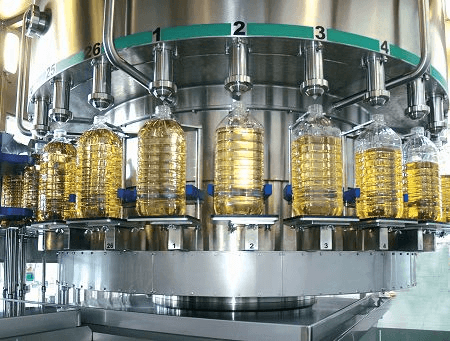
Oils are filled into bottles, jerry cans, drums, flexitanks, or other formats confirmed at quotation, then prepared for shipment.
Across both lines
What keeps quality consistent
Process discipline
Modern milling and refining lines rely on controlled settings so moisture, colour, acidity, and appearance stay within grade.
Traceability
Lot identity from preparation through packing supports Certificates of Analysis and destination documentation.
Energy and waste care
Partner facilities increasingly recover by-products (such as rice bran or refining co-products) and manage wastewater responsibly.
Export readiness
Final packing, labelling, and container loading are coordinated so commercial and quality documents travel with the cargo.

Quality control sits alongside every stage — see our quality control process for inspection, documentation, and pre-shipment checks.
Related
You may also find helpful
Ready to specify a grade?
Browse the catalogue or request a quotation with product, volume, and destination for rice or refined cooking oils.